









Zimbabwe’s manufacturing sector is being positioned for faster growth as new industrial reforms target an expansion of output from about US$7 billion to US$12 billion, alongside stronger exports and improved factory productivity.
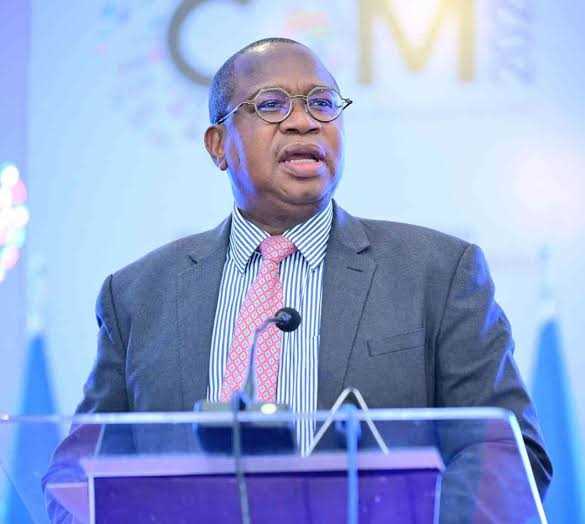
Finance, Economic Development and Investment Promotion Minister Mthuli Ncube said the policy framework guiding the sector focuses on strengthening industrial production, expanding exports and improving capacity utilisation across manufacturing firms.
“The policy seeks to increase the manufacturing sector growth rate from an average of 2.2 percent to over 5 percent annually, while raising its contribution to the economy from US$7 billion to US$12 billion,” he said.
Manufacturing exports are also expected to expand significantly, rising from an average of US$470 million to about US$1 billion, as industries scale production and access wider markets.
Factory productivity is another major focus, with capacity utilisation projected to improve from an average of 51 percent to around 60 percent as firms retool and modernise equipment.
Industrial output is also measured through the Volume of Manufacturing Index, which is expected to increase from 149.4 to around 180, reflecting stronger activity across the sector.
Prof Ncube said strengthening value addition in key sectors such as agriculture and mining will be central to expanding industrial output and reducing dependence on raw commodity exports.
Related Stories
“Industrialisation will focus on value chain development, beneficiation of natural resources and strengthening linkages between large industries and small enterprises,” he said.
The industrial drive also prioritises digital transformation, automation and artificial intelligence integration, as firms adopt modern technologies to improve productivity and competitiveness.
Support for Micro, Small and Medium Enterprises (MSMEs) is also expected to play a key role, with policies aimed at integrating small businesses into larger manufacturing value chains and helping them scale into bigger industrial players.
The strategy also promotes the expansion of Special Economic Zones, improved investment incentives and duty-free capital equipment imports to support industrial retooling and production growth.







Leave Comments